

Newstime:2025-03-08 Source:Polyacrylamide
As a widely used chemical agent in the market, polyaluminium chloride requires considerable attention during dosing. What exactly should be noted?
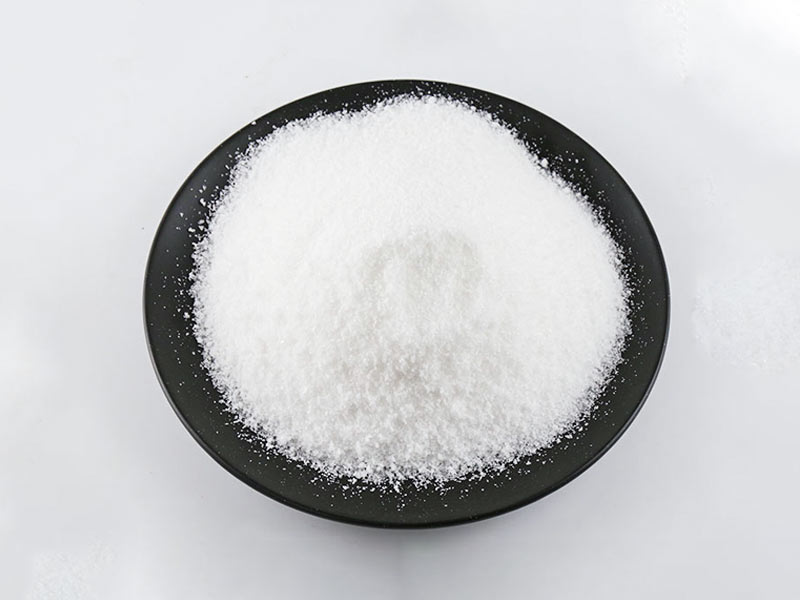
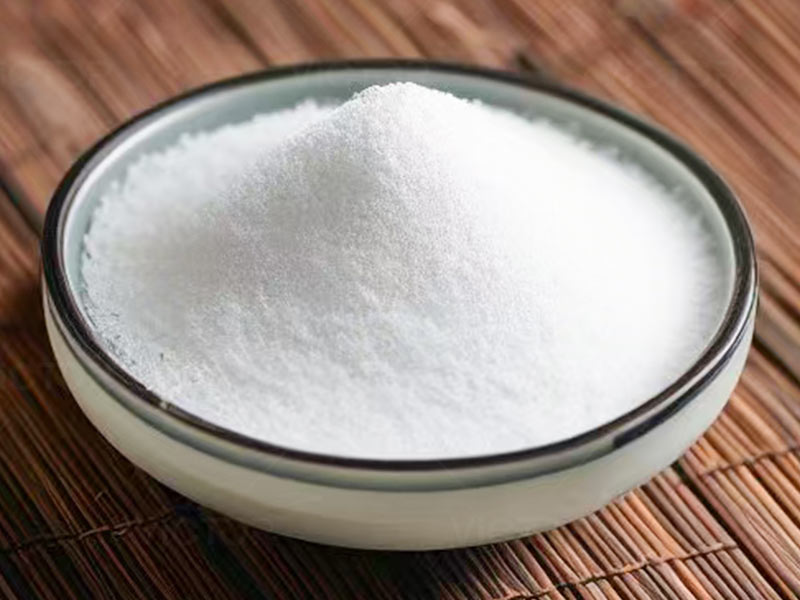
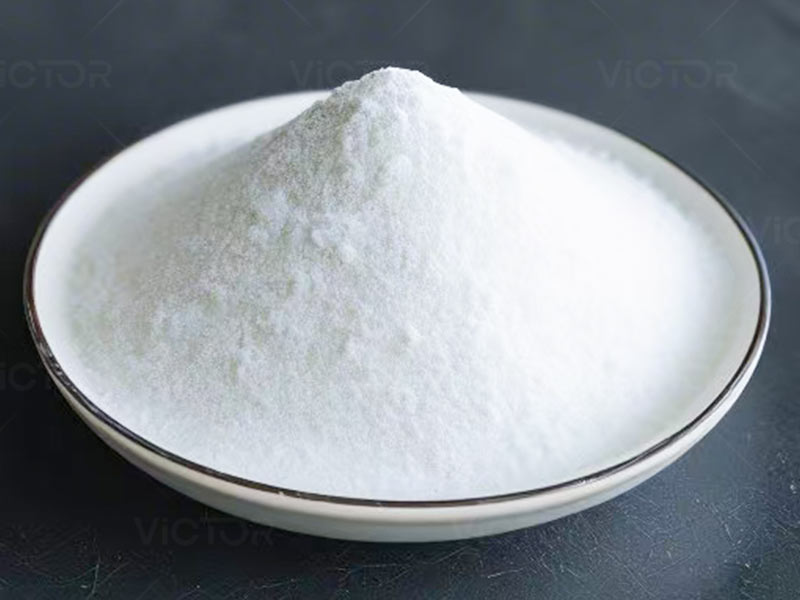
Firstly, the raw water quality is crucial. Generally, prior to adding polyaluminium chloride products, experiments should be conducted based on varying water qualities to determine the optimal dosage. Typically, a concentration of 2–5% is recommended for such trials. For solid polyaluminium chloride products used in production, dissolve in water at a ratio of 1:9 to 1:15 until completely stirred and dissolved. It should be noted that if the aluminium oxide content in polyaluminium chloride falls below 1%, hydrolysis may occur, reducing efficacy. Conversely, excessively high concentrations may hinder uniform dispersion of the added product. During dosing trials, commence with an appropriate dosage and monitor adjustments during operation. If flocculation appears sparse, the dosage is likely insufficient and should be increased. Conversely, large flocs rising in the sedimentation tank indicate excessive dosage, necessitating immediate adjustment.
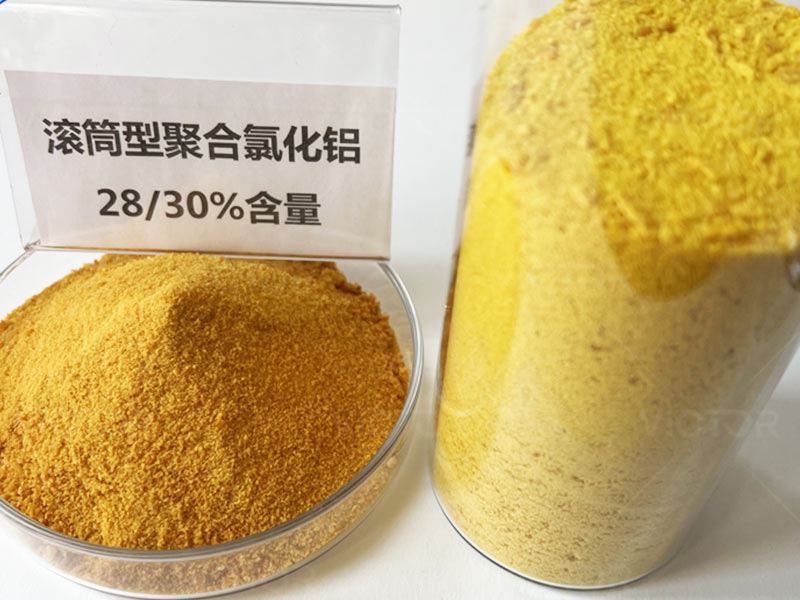
What are the applications and functions of polyaluminium chloride? In the papermaking industry, it serves not only for wastewater treatment but also aids filtration and sedimentation. Its role in the textile industry is equally significant. Textile wastewater is characterised by high volume, intense colouration, and elevated organic pollutant content. Simultaneously, textile wastewater ranks among the most challenging industrial effluents to treat. When applied in textile printing and dyeing processes, polyaluminium chloride accelerates sedimentation rates. Its efficacy in water purification is pronounced, and it also finds application in fabric wrinkle prevention. Beyond specialised wastewater treatment, polyaluminium chloride products have gained widespread application in sewage treatment. Notably, polyaluminium chloride and polyacrylamide products demonstrate outstanding performance in flocculation and sedimentation. They are extensively employed across sectors including domestic sewage treatment and industrial wastewater management.
Overall, polyaluminium chloride represents a novel, highly efficient, and readily water-soluble inorganic polymeric water treatment agent. Its straightforward application makes it suitable for diverse water purification, wastewater treatment, papermaking, and pharmaceutical applications, earning widespread recognition.
The link to this article is: https://www.polyacrylamidepam.com/blog/precautions-for-the Use-of-polyaluminium-chloride.html
Copyright: Please credit the source when reproducing this content.2106-02-07
2106-02-07
2026-04-01
2026-03-31
2026-03-31